Pediatric glaucoma is a rare eye condition that can harm a child’s vision if left untreated. Understanding the signs, causes, and treatments can help parents act quickly to protect their child’s eyesight.
What Is Pediatric Glaucoma?
Pediatric glaucoma happens when high pressure inside the eye damages the optic nerve. This condition can develop at birth (called congenital glaucoma) or later in childhood. Without early treatment, it can cause permanent vision loss.
Symptoms of Pediatric Glaucoma
Pediatric glaucoma can be hard to detect because symptoms may seem mild at first. Here are common signs to watch for:
- Excessive Tearing: Your child’s eyes water a lot, even when they aren’t crying
- Sensitivity to Light: Bright lights bother your child more than usual
- Cloudy or Large Eyes: The eyes may look larger than normal or appear hazy
- Red Eyes: Eyes that stay red and irritated
- Vision Problems: Older children might have blurry vision or trouble seeing clearly
If you notice any of these signs, it’s important to schedule an appointment with our eye doctors in Westerville as soon as possible.
What Causes Pediatric Glaucoma?
There are two main types of pediatric glaucoma:
- Primary Glaucoma: Caused by issues with how the eye’s drainage system develops before birth
- Secondary Glaucoma: Linked to other conditions or factors, such as:
- Eye Injuries: Past trauma to the eye
- Medical Conditions: Rare conditions like Sturge-Weber syndrome or tumors in the nervous system.
- Long-Term Steroid Use: Medications that increase eye pressure
Sometimes, a family history of glaucoma can also increase the risk.
Why Early Detection Is Critical
Catching pediatric glaucoma early can save your child’s vision. Regular eye exams help detect problems before they get worse. The American Academy of Ophthalmology recommends the following schedule:
- First eye exam at six months old
- Another exam at three years old
- Annual eye checkups starting at school age
More frequent exams may be needed if there’s a family history of glaucoma or other eye conditions.
How Pediatric Glaucoma Is Diagnosed
Doctors use several tests to check for glaucoma in children:
- Eye Pressure Test (Tonometry): Measures the pressure inside the eye.
- Eye Structure Exam (Gonioscopy): Looks at how the eye drains fluid.
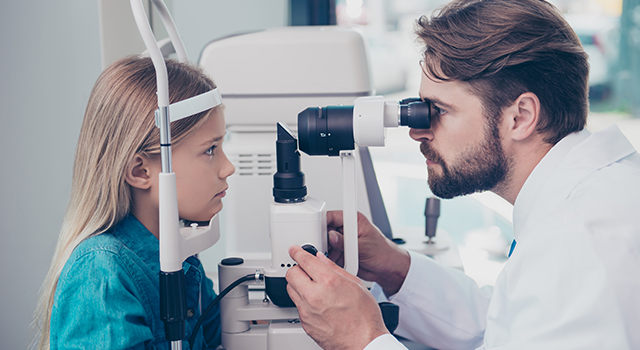
- Optic Nerve Exam: Checks for damage to the nerve that connects the eye to the brain.
Treatment Options for Pediatric Glaucoma
The goal of treatment is to lower the pressure in the eye to protect the optic nerve. Treatments include:
- Eye Drops or Medication: Used to control eye pressure
- Surgery: Doctors may use procedures like goniotomy or trabeculotomy, which help the eye drain fluid better
- Drainage Implants: Small devices that direct fluid out of the eye
Treatment depends on the child’s age, eye anatomy, and how severe the condition is. Surgery is often the best option for babies born with glaucoma.
Regular Eye Exams Keep Kids in Westerville Seeing Clearly
Regular eye exams are crucial for every child, even if no symptoms are present. These checkups can detect conditions like pediatric glaucoma early, preventing severe vision problems. At The Solution Center in Westerville, our experienced team offers comprehensive, child-focused eye care in a welcoming environment.
We’re committed to safeguarding your child’s vision and providing personalized treatment to support their lifelong eye health. Schedule your child’s eye exam and give them the gift of clear, healthy vision!